Tag: remote workers

  • Report: SD-WAN Shift to the Cloud Accelerates

    Report: SD-WAN Shift to the Cloud Accelerates

    The rate at which software-defined wide area networks (SD-WANs) are being consumed as a cloud service appears to be accelerating in the wake of the COVID-19 pandemic.

    A global survey of 750 IT professionals conducted by the market research firm Vanson Bourne on behalf of Barracuda Networks finds over half of respondents (52%) are looking to acquire an SD-WAN solution via a cloud provider, with Microsoft Azure being cited as the most preferred option.

    Only 16% said they prefer an SD-WAN from an independent vendor, while 15% would opt for a telecommunications provider. Another 12% said they would rely on a reseller.

    Klaus Gheri, vice president of network security for Barracuda Networks, said the survey suggests that as application workloads move into the cloud, more IT organizations want to centralize acquisition of networking services alongside compute and storage. As such, he said, providers of SD-WAN appliances such as Barracuda Networks will need to evolve to extend the basic SD-WAN capabilities provided by cloud service providers.

    At the same time, Gheri noted that way applications are being accessed is also evolving as more employees are working from home. Rather than directly accessing applications running in a local data center or office, many organizations are routing access requests to those applications through their cloud service provider. That approach reduces costs by using a public internet connection to access to cloud service, which then routes that request over a virtual private network (VPN) to a local data center.

    Given the egress charges a cloud service provider requires, that approach may not reduce costs in the case of every workload. However, it may reduce costs by reducing the amount of network traffic moving across a leased MPLS line, he noted.

    Gheri said the rise of the cloud as a networking conduit illustrates how varied SD-WAN implementations have become. Organizations increasingly need some capability at the client level to automatically determine which network path makes the most sense for any request based on cost and latency requirements.

    In the meantime, frustrations with VPN clients continue to mount. Most VPN implementations were designed to support a small percentage of employees for occasional access. With more employees working from home more frequently, many organizations are reconsidering their SD-WAN strategies. In addition to being able to scale services more easily, Gheri noted SD-WANs also afford organizations the opportunity to implement zero-trust networking services to better isolate application environments in the event of a security breach.

    Over the last few years, SD-WANs have been one of the fastest-growing categories in IT. The Barracuda survey found 23% of respondents have already deployed SD-WAN, with another 51% either in the process of deploying or expecting to deploy one within the next 12 months.

    Clearly, competition between cloud service providers, telecommunication carriers and independent providers of SD-WAN services will intensify in the months ahead. The challenge facing IT teams now is determining to what degree they want to be directly involved in managing SD-WAN networks versus simply consuming SD-WAN services on an as-needed basis.


  • DevOps Agility Shines in the Midst of a Pandemic

    DevOps Agility Shines in the Midst of a Pandemic

    As a career developer and now a chief technology officer, I am experiencing firsthand how COVID-19 has forced us all into new ways of working. I’m also aware that these new ways may be with us for a while. Last month Gartner announced that 74% of companies intend to shift some percentage of their workforce to permanent work from home status. 

    The fears many technology leaders have is that working from home will disrupt the processes in place for coworkers to communicate and collaborate. I would argue that DevOps overcomes those challenges by design. Organizations have become increasingly confident in DevOps with research from Global Market Insights finding “DevOps Market size exceeded $4 billion in 2019, and is poised to grow at over 20% CAGR between 2020 and 2026.” Companies that hold onto practices that are less agile will find they hamper velocity and allow competitors to vault ahead in a rapidly changing digital environment. 

    A study by the software developer CA Technologies ⁠— now part of Broadcom ⁠— found that more agile companies achieve 60% higher revenue and profit growth than their peers. In another study of agile companies, this one from industry research firm Gartner, 74% of respondents reported better alignment between IT and the business.

    DevOps and Agile go hand-in-hand toward greater organizational success.

    Software Developers Feel the Need for Speed

    Developers working remotely will thrive on the unimpeded workflows and synchronous collaboration DevOps makes possible, even while separated. Today, when customers are consuming more digital services than ever, the traditional development methods just don’t meet the speed required. In a recent xMatters survey of 300 consumers, 90% said they are using digital services — from grocery and takeout food delivery to videoconferencing and banking. Eighty two percent said they will continue to do so even after the pandemic is history. Customers previously accustomed to brick and mortar services now have high expectations for uptime, performance and feature sets for digital services, so leaders will have to embrace DevOps to continually improve the user experience.

    One Team One Dream

    Given the various specializations within organizations, embracing DevOps must often begin by bridging the unique cultures of each team, including development, quality assurance, security and customer success. One way to do that is to establish shared Service Level Indicators and Service Level Objectives with a focus on customer experience. For example, working toward five nines digital service availability, sub-second website page loads and same-day security patch deployments as common goals will aid in the formation of a cohesive unit. Additionally, the team should feel executive-level DevOps buy-in, which should manifest itself in optimal technologies and appropriate alignment of talent. 

    DevOps Developers Are Hot, Don’t Let Them Burn Out

    Developers with experience working in a DevOps organization have always been in demand, and the rapid adoption of digital services is making these software professionals even more valuable. According to a recent LinkedIn report, DevOps is the single most recruited position on the platform today. Attracting and retaining these skilled workers can be extremely challenging. 

    One way to increase retention is to foster a culture that respects work-life balance. When surveying consumers about the impact COVID-19 had on the adoption of digital services, xMatters simultaneously asked 300 IT professionals about the impact this mass-scale adoption was having on them. Unfortunately, 88% said their work-life balance had deteriorated. Most DevOps teams were already accustomed to being on-call 24/7; so if they’re feeling COVID-19 has pushed them over a line, burnout is a real risk. It’s essential to recognize this and act on it. Providing DevOps teams with the right tools to automate CI/CD in a secure way, even while working remotely, goes a long way. 

    Time for DevOps to Shine

    The changes driven by the pandemic will have long-lasting effects on the frequency with which we use digital services to live and work. Customer experience will remain paramount and those metrics will be increasingly visible at the executive level. We will also see a greater focus on lean practices and cost reduction. I can think of no approach that does more to meet consumer expectations, address fiscal challenges and increase employee satisfaction than DevOps does. 

  • Citrix Makes Case for VPN Alternative

    Citrix Makes Case for VPN Alternative

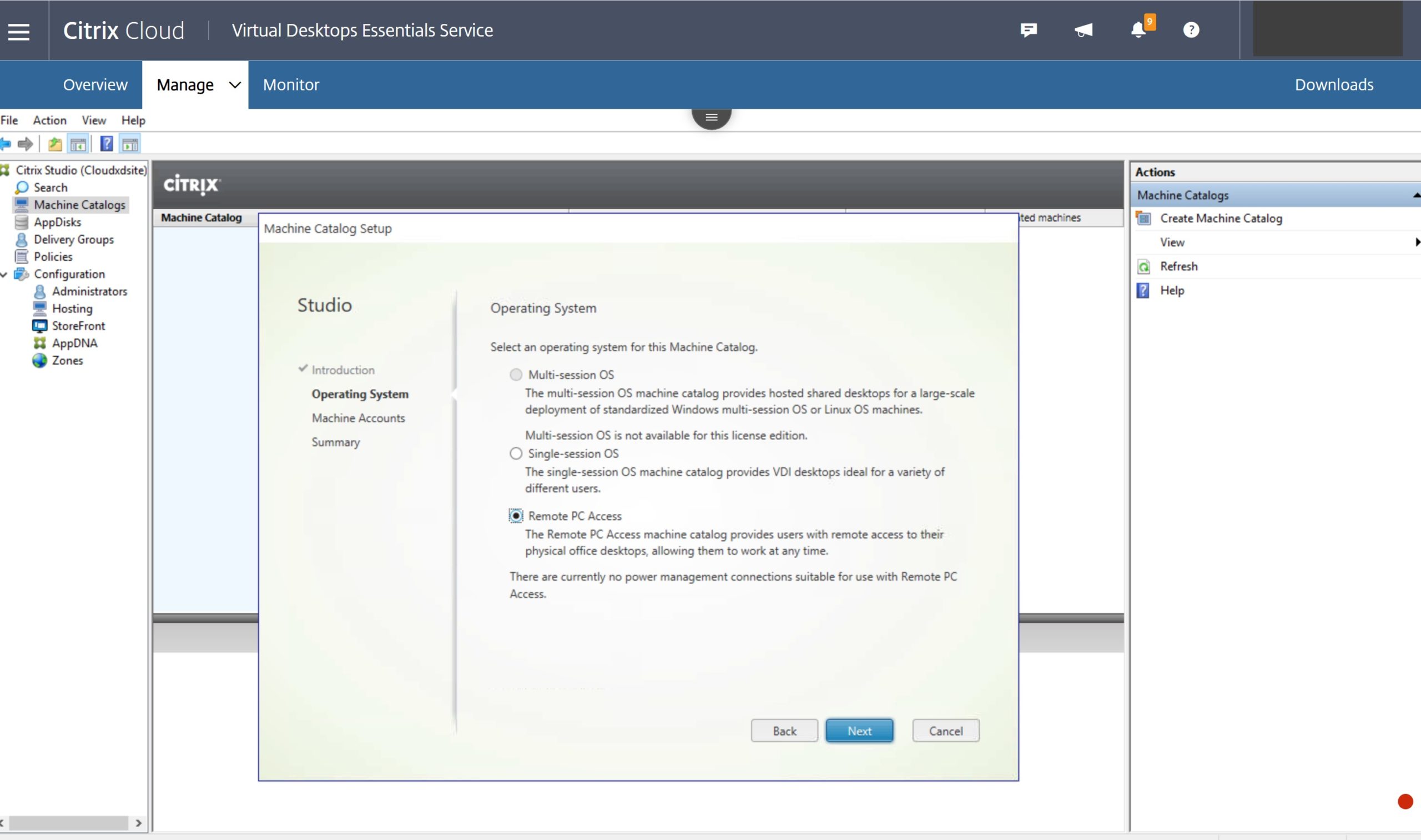
    Citrix this week announced it will make its remote access tool that enables users to efficiently access their desktop PCs more widely available via the cloud.

    Gabe Carrejo, senior program manager for Citrix, said Remote PC Access provides a more efficient alternative to the virtual private networks (VPNs) that most organizations currently rely on to enable employees to remotely access their desktops.

    To use Remote PC Access, an IT administrator installs a small client on the remote systems. The client provides access to a range of networking services that Citrix makes available on top of its Independent Computing Architecture (ICA) remoting protocol to create a Secure Sockets Layer (SSL) tunnel, which Citrix markets collectively as High-Definition Experience (HDX) Technology.

    To make it easier to access a desktop PC remotely, Remote PC Access installs agent software that IT teams can now push out to an endpoint as long as they have licensed any one of several Citrix services, said Carrejo. In most cases, IT teams will employ a platform such as Microsoft System Center to deploy agent software on an endpoint.

    In the rush to provide employees with remote access almost overnight to help combat the COVID-19 pandemic, many organizations turned to VPN offerings they were using to provide a small number of employees with remote access. However, with almost every employee trying to access the same VPN, many of those IT teams have encountered network bandwidth issues. What’s more, many of the desktop applications installed in the office are not especially tolerant of the latency a VPN adds to the equation.

    Citrix has long been making the case for ICA as a more efficient protocol for providing remote access to desktops. Now, in response to the COVID-19 pandemic, the company is making it easier for IT teams to distribute HDX agent software across as many remote endpoints an IT organization needs to support. End users can then access applications on their office desktops remotely via any HTML5-compatible browser or virtual desktop software provided by Citrix.

    Carrejo said more organizations are re-evaluating their reliance on VPNs as it becomes clear that what once viewed as business disruption has become the “new normal.” Many organizations are looking closely at how many employees they need to come into an office when their job role may not require it. Remote computing is now a core element of a larger business continuity strategy. As such, Carrejo said many organizations are looking to find a way to provide more efficient remote access to office-based desktop systems while contemplating a possible transition to a virtual desktop infrastructure (VDI) platform deployed in a local data canter or in the cloud.

    It’s too early to say to what degree Windows desktops will be moving to VDI platforms. In the meantime, however, the remote access protocols that IT teams rely on suddenly matter a lot more.

  • Splunk Adds Remote Workforce Metrics Dashboard

    Splunk Adds Remote Workforce Metrics Dashboard

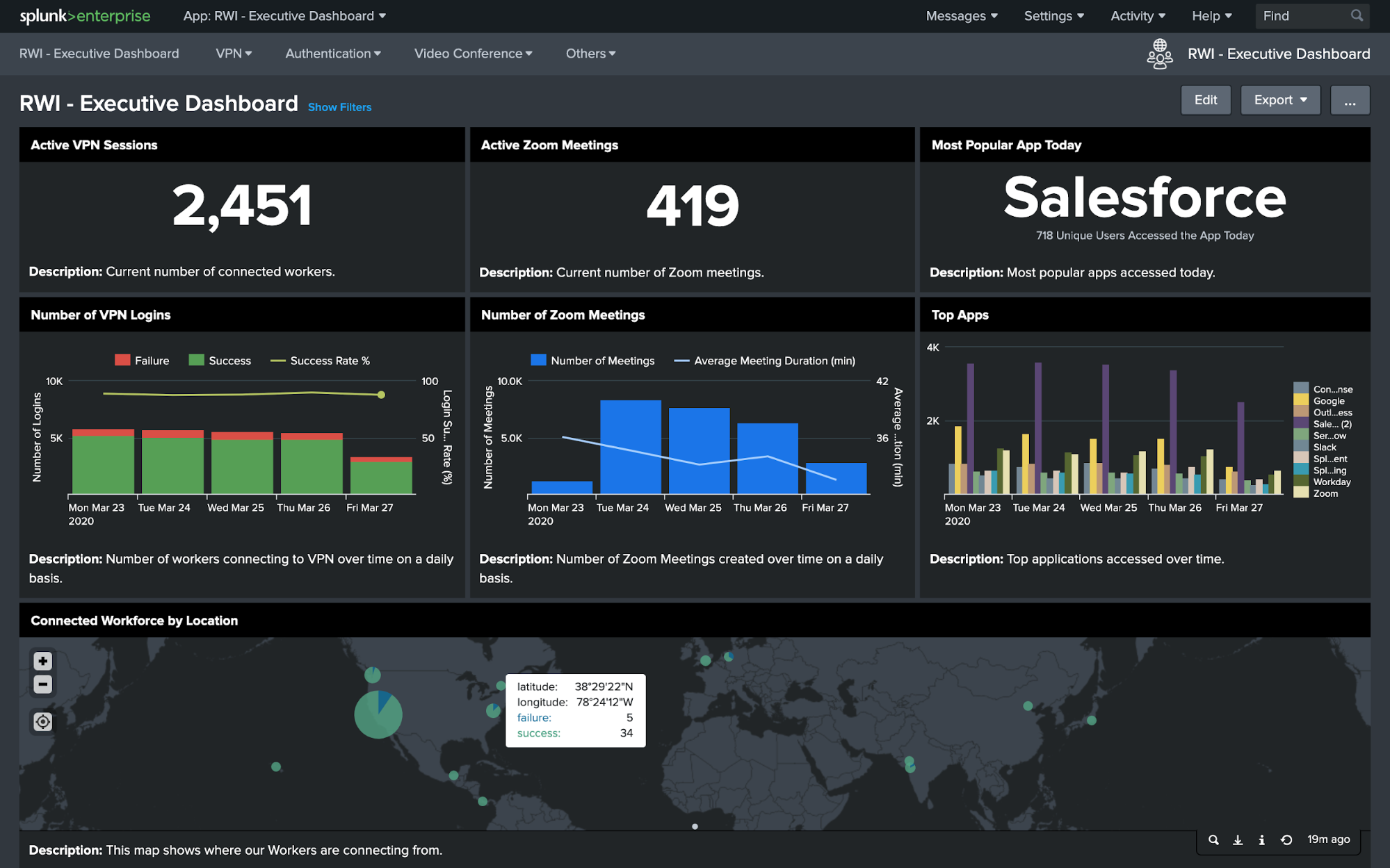
    Splunk has made available a Remote Work Insights dashboard designed to help IT administrators track and identify the most relevant IT metrics for a workforce that is working from home to help combat the spread of the COVID-19 pandemic.

    Company CTO Tim Tully said the dashboard is initially configured to track virtual private network (VPN) traffic as well as access to cloud applications being made via an instance of an identity management platform from Okta.

    In addition, the dashboard tracks the level of usage of Zoom video conferencing services to help determine to what degree employees are continuing to collaborate during the pandemic.

    The level of productivity being achieved in most corporate environments is tied directly to the amount of network bandwidth being made available via a VPN, which can be deployed inconsistently on various client devices. Cloud application experiences, meanwhile, can vary widely based on the geographic region an end user is located.

    The dashboard helps IT teams to determine where there are issues they can address and where there are issues that may need to be addressed by a third-party service provider.

    Built on top of the Splunk Mobile applications, the dashboard provides a way for IT administrators to employ a tablet or smartphone to continuously monitor key remote connectivity metrics, Tully said, noting that capability means IT administrators don’t have to stay tethered to PC all day to monitor their environments.

    Over time, Splunk plans to add support for additional metrics to make it simpler for IT teams to monitor remote workforces, he added.

    Beyond simply monitoring metrics, the Remote Insights Dashboard also makes it possible to send rich notifications based on thresholds defined by the IT team. That approach allows Splunk Mobile to reduce the number of alerts being generated by the various IT platforms being monitored, said Tully. Those notifications then provide the relevant actionable intelligence IT administrators need to share with other IT professionals to remediate an issue.

    It’s not clear to what degree IT teams will work from home after the COVID-19 pandemic subsides. Many organizations may decide it’s less expensive to have IT teams work remotely at a time when many of them will be looking to, for example, reduce the amount of office space they require to reduce costs. Many organizations are about to discover that IT staffs, much like customer support personnel, don’t necessarily need to be in an office to be effective.

    Regardless of where they are located, many IT professionals are about to discover how productive they can be working remotely. That may create some boundary issues between the home and office. However, it should also go a long way toward eliminating the occasional need to go to the office at odd hours of the night, only to determine the source of a problem can only be fixed by a third-party service provider the IT professional could have contacted from home in the first place.

    — Mike Vizard

  • BigPanda Provides Free 90-Day Access to IT Ops Platform

    BigPanda Provides Free 90-Day Access to IT Ops Platform

    BigPanda, a provider of an IT ops platform infused with machine learning algorithms, this week announced it will make available for free for 90 days an instance of its software available to IT professionals working from home to help combat the COVID-19 pandemic.

    Mohan Kompella, vice president of product marketing for BigPanda, said the IT Ops From Home program is intended to make it easier for IT teams to manage IT operations using a platform that was designed from the ground up to remotely manage highly distributed computing environments.

    BigPanda is also providing free 90-day support along with free training via a virtual classroom. Organizations that opt to participate in the program are under no obligation to renew.

    Kompella said the BigPanda platform is designed to correlate events in a way that automates IT incident management. It provides built-in integrations with software and services from Amazon Web Services (AWS), AppDynamics, Cloudwatch, Splunk, Azure, Jira and Slack.

    It may take a little effort for IT organizations to implement a new platform for managing IT in the midst of a pandemic, he conceded, but also noted there are organizations that are finding their existing IT platforms are not designed to enable IT teams to support an entire workforce that is now accessing distributed applications from home. The BigPanda platform makes it possible to unify the management of all the silos that now make up an enterprise IT environment—in fact, Kompella said managing IT environments remotely may soon become the “new normal.” In much the same way many organizations now employ remote workers to provide customer service, Kompella noted it’s possible many IT support staff will now simply work from home. That approach would, among other things, reduce the cost of office space for IT personnel.

    As organizations struggle to implement business continuity plans there’s no doubt many legacy IT operations platforms are being stretched to their limit. Many of the plans organizations had to slowly transition to a modern IT management platform now need to be accelerated, said Kompella.

    There’s no doubt the COVID-10 pandemic will have a profound impact on the way IT is managed. Many processes will be forever altered, especially as organizations embrace DevOps processes to manage application workloads that are increasingly likely to be deployed in the cloud, as part of a concerted effort to make business processes more resilient in the face of global disruptions such as the COVID-19 pandemic. After all, no one is quite sure when the current crisis might subside or return. There may even additional pandemics to contend with in the future.

    Whatever the motivation, an evolutionary approach to modernizing IT ops will be moving forward at a faster pace among organizations that have the wherewithal to stave off the current economic downturn caused by the pandemic. In fact, there may even be a high correlation between organizations that fail to modernize those processes and those organizations that don’t re-emerge stronger in 2021.

    — Mike Vizard

  • COVID-19 Reaction: Massive Spike in IT Incidents

    COVID-19 Reaction: Massive Spike in IT Incidents

    A report published this week by PagerDuty, a provider of an incident management platform, finds organizations that rely on the platform to manage IT issues are managing on average double the number of incidents since the start of the COVID-19 pandemic.

    In some industry segments, such as online learning services, travel and entertainment services, the number of incidents has increased 11-fold, the report noted.

    Rachel Obstler, vice president of product for PagerDuty, said with more people at home, online services that are seeing a spike in use while at the same time deploying new code to drive additional services are clearly stressed. Enterprise IT organizations, meanwhile, are now dealing with large numbers of employees trying to remotely access a wide range of applications simultaneously. Incidents now range from relatively simple authentication issues to accelerating the rollout of a digital business initiative to help maintain business continuity, she noted.

    Many of those organizations were already short of staff before the COVID-19 pandemic so longstanding challenges in many cases are now being further exacerbated, added Obstler. In addition, organizations that are rushing to deploy applications to enable their organizations to maintain business continuity are likely to not have tested those applications as thoroughly as they once might have. Inevitably, that decision will result in more IT incidents as issues are discovered after those applications are deployed in a production environment.

    Naturally, there may be a temptation to suspend rollouts of new applications. However, with millions of individuals now required to work from home for an indefinite amount of time, digital business applications may be the only way to engage those individuals. In fact, Obstler noted that as working remotely becomes the new normal, many people are about to become a lot more proficient at both working and shopping from home. As such, digital business applications may soon become the primary medium through which organizations engage their end customers.

    On the plus side, Obstler said it’s now relatively simple to deliver IT services from anywhere in the world, so there is an opportunity to bulk up existing IT support staff. Of course, the pool of IT professionals who are available to hire should also increase as vertical industries such as the travel and hospitality sectors essentially shut down.

    It’s too early to say precisely how the COVID-19 pandemic will impact the IT sector. While there will certainly be layoffs, many organizations will be loath to let go of IT staff who will be difficult to replace once the immediate economic recession ends. Countries around the world are also making funds available to companies on the condition they keep layoffs to a minimum.

    Regardless of how many IT people are retained, however, the remaining IT staff will continue to be stressed. Many organizations are going to have to re-engineer IT processes by, for example, embracing best DevOps practices on the fly to adjust to a new reality. Many of the IT issues about to be encountered might not always be within the control of IT teams to address. However, business leaders will expect that one way or another those IT staff will come up with the innovative workarounds needed to enable the business to continue to survive and thrive.

    — Mike Vizard

  • Free Remote Endpoint Protection Solution From Qualys

    Free Remote Endpoint Protection Solution From Qualys

    Qualys today announced it is offering a completely free, 60-day version of its cloud-based remote endpoint protection solution. The product is fully featured, with nothing turned off in the free version. It’s also cloud-based, so there are no worries about hosting the solution. This comes at a perfect time, with so many workers working remotely.

    You can download the free solution at:

    www.qualys.com/forms/remote-endpoint

    According to the Qualys release:

    “The Qualys remote endpoint security solution allows security teams to leverage the lightweight Qualys Cloud Agent to:

    • Complete an up-to-date inventory of all their remote endpoint hardware and the applications they are running
    • Gain a real-time view of all critical vulnerabilities impacting the operating system and applications posing a risk to these devices
    • Remotely patch these systems within hours from the cloud with one click of a mouse without using the limited bandwidth available on VPN gateways
    • Realize visibility in device hygiene by tracking common misconfigurations that leave the endpoints exposed to exploits.”

    staging-devopsy.kinsta.cloud spoke with Qualys President Sumedh Thakar for more information on this new free solution. That conversation can be heard below:

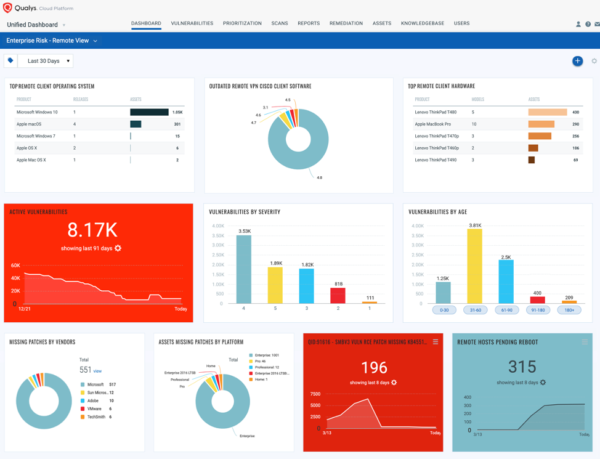
    Here’s a screenshot of the web-based interface of the solution:

    Qualys endpoint screen shot

    What happens after the 60 days you ask?  Qualys did not say definitively what the plan is for that, but I suspect that will depend on what happens with our economy and the work-from-home trends. In the meantime, if you are looking for a remote endpoint solution for the enterprise, this is a great chance to try one free for 60 days.

    — Alan Shimel

  • Cato Networks Offers Instant SD-WAN Service

    Cato Networks Offers Instant SD-WAN Service

    Cato Networks has added an instant-on capability to its software-defined wide area network service (SD-WAN) service to make it easier for IT teams to provide employees with remote access to applications.

    Dave Greenfield, technology evangelist for Cato Networks, said rather than having to configure and install a virtual private network (VPN) client on every device to access applications, IT teams can simply share a URL to provide network access via a single sign-on protocol without requiring client software. At a time when many IT teams are scrambling to allow every employee to work at home to help combat the spread of the COVID-19 coronavirus, the Cato Software Defined Perimeter (SDP) service provides an alternative approach to achieve that goal at scale, he said.

    The Cato SDP network is an instance of a global SD-WAN service co-managed by Cato Networks. IT teams still control who gains access to what applications using multifactor authentication, while Cato Networks manages the underlying network and security infrastructure, including all the firewalls and endpoint protection software. As such, Greenfield said, Cato SDP is one of the first instances of a service based on what Gartner is now describing as a secure access service edge (SASE) architecture.

    Greenfield said trying to scale access using legacy VPN software is problematic because it requires IT teams to acquire more software licenses and bandwidth, while end users are provided with passwords to access the corporate network, which can be easily hacked. And, perhaps most problematic, most VPNs limit the number of simultaneous users allowed on the network.

    Cato SDP provides access to a zero trust network environment that only provides access to applications that end users have been specifically authorized to use, said Greenfield, noting all of that can be accomplished in as little as 10 minutes.

    Cato SD-WAN

    Since the beginning of the COVID-19 outbreak, Greenfield said Cato Networks has seen a sharp increase in usage of its global network, which consists of points-of-presence residing in third-party data centers distributed around the world. This setup makes it possible to optimize application experiences based on where end users are physically accessing the internet.

    It may be a few months to as long as two years before the COVID-19 pandemic subsides. What today may be viewed as a singular disruptive event could very well be a harbinger for how organizations will need to work from now on. Even once IT teams get everyone in their organization up and running from home, many of them will have to ask themselves how long they are prepared to manage IT as a remote service. The emergence of SASE-based services provides an alternative co-managed approach that allows IT teams to rely on an external service provider without having to give up control over their applications to a managed service provider (MSP).

    Naturally, it may be a while before the current crisis subsides enough for organizations to realize they may need to fundamentally change the way they consume IT. The only thing that is for certain right now is that conversation is all but inevitable.

    — Mike Vizard

  • Coronavirus Response: Atlassian Expands Free Software

    Coronavirus Response: Atlassian Expands Free Software

    Atlassian announced today it will make cloud-based versions of Jira Software, Confluence, Jira Service Desk and Jira Core available for free as part of an effort to assist organizations whose employees are working remotely to help combat the COVID-19 coronavirus pandemic.

    Robert Chatwani, chief marketing officer for Atlassian, said given the current unprecedented situation the company has decided to increase the number of free versions of its software, including Jira project management software, which is widely employed by software development teams.

    The company already makes available free versions of its Trello, Bitbucket and Opsgenie software. Atlassian is hoping that once the current COVID-19 coronavirus crisis subsides, a much broader base of end users including ones from business units will have gained some firsthand experience employing its project management applications and collaboration tools, said Chatwani. Previously, Atlassian revealed it has a goal of having 100 million active users of its software.

    Chatwani said many organizations are finding that having employees working from home is the new normal for the foreseeable future. While regions in Asia appear to be recovering from the initial COVID-19 coronavirus outbreak, that does not appear to be the case in other regions anytime soon. Once organizations re-engineer their workflows, they may discover some knowledge workers are more productive working remotely, he noted.

    Less clear right now is whether having most or all employees working remotely is a temporary measure in the furtherance of a business continuity strategy or simply an inevitable future of work that, because of the current crisis, is arriving much earlier than expected.

    Of course, not every employee is psychologically tempered to work from home. Software developers, for example, may be more accustomed to working in isolation than project managers. Chatwani said it will be important for organizations to establish new routines to maintain organizational cohesion, including determining when development teams should launch sprints to build elements of an application. Managers also may want to designate “office hours” during which anyone can contact them online to make sure employees feel they are accessible, he added.

    Organizations should also get used to the idea that children may be both seen and heard while online meetings are occurring, given the fact that millions of children are now being schooled at home, Chatwani noted.

    Many organizations to one degree or another have been relying more on remote workers. There are even some companies that don’t have physical headquarters—all the employees already work remotely. Some of those organizations have even gone so far as to define a time zone around which the organization will standardize on regardless of where employees are physically located.

    Whatever the strategy employed, organizations that hope to succeed in this new climate need to go well beyond ensuring remote network connections are available and secure—they need to find a way to either maintain their existing processes and culture to make sure that whatever product or service they provide continues to be built or delivered in a way that allows the organization to survive and hopefully continue to thrive.

    — Mike Vizard

  • Zoho Offers Free SaaS Apps to Combat Coronavirus Spread

    Zoho Offers Free SaaS Apps to Combat Coronavirus Spread

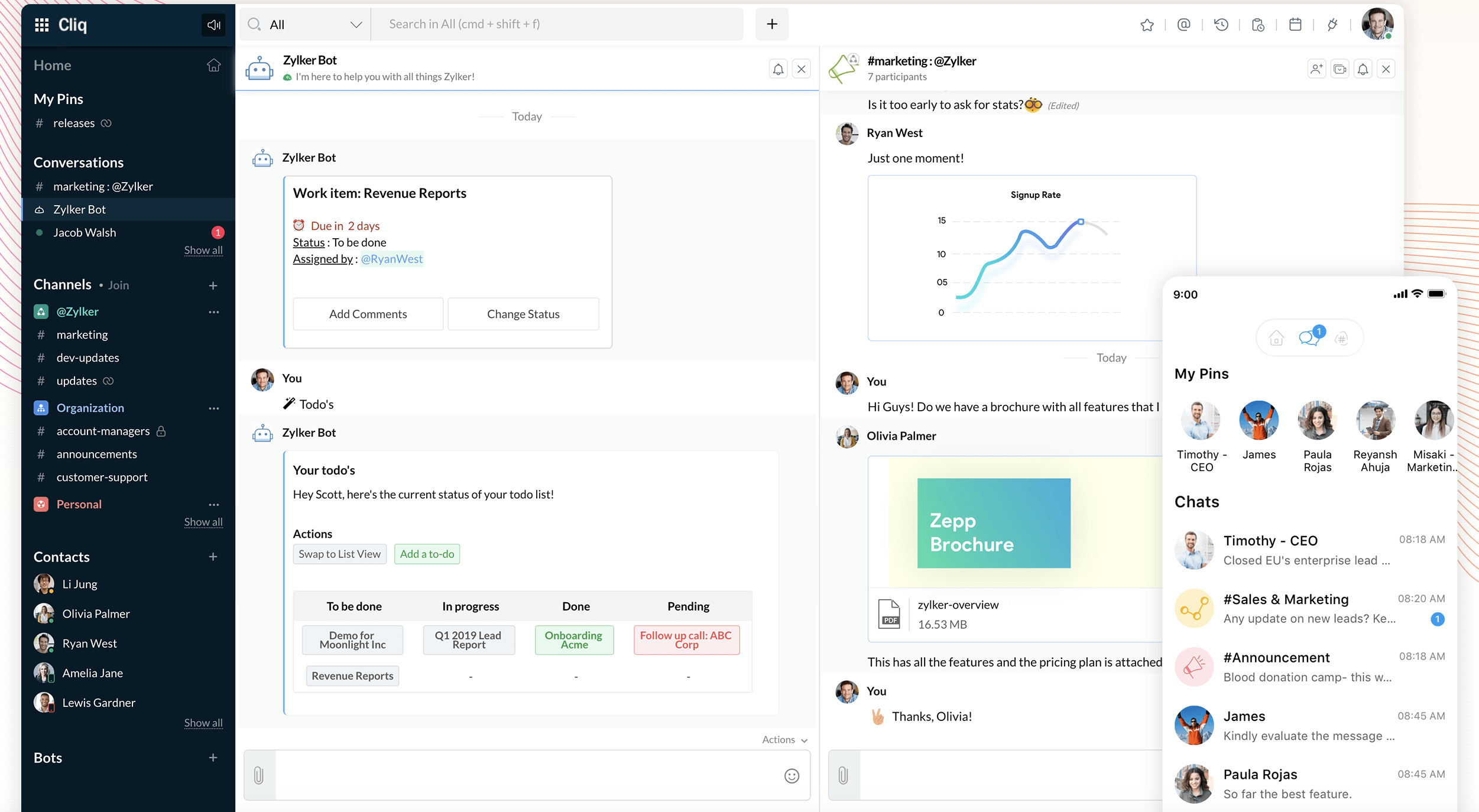
    Zoho today announced it is making available for free a bundle of software-as-a-service (SaaS) applications dubbed Remotely through July 1.

    Raju Vegesna, chief evangelist for Zoho, said Remotely is a humanitarian gesture to help mitigate the impact of a global coronavirus epidemic. Remotely comprises a set of productivity and collaboration applications that users can access in as little as five minutes.

    Included in Remotely are productivity, collaboration and project management applications as well as tools that automate the migration of data into the Zoho cloud platform.

    Vergesna said Remotely also addresses cybersecurity concerns by enabling IT teams to apply security controls to the data that employees are allowed to access. Of course, IT organizations in many cases would still need to make sure the network connections being employed to access SaaS applications are secure.

    Now that many local governments are recommending that organizations allow employees to work from home to help limit the spread of the coronavirus outbreak, many IT administrators are scrambling to provide remote access to applications at scale. It’s one thing to provide access to a small number of employees who might travel intermittently, but it’s quite another to support an entire remote workforce for some unknown period of time.

    Vergesna, however, said that at this point the challenges associated with making that transition have a lot more to do with overcoming cultural issues than they do the technology. Much of the transition to Zoho SaaS applications has been automated, he said.

    It remains to be seen to what degree the coronavirus outbreak might accelerate the transition to cloud applications. Many IT administrators are still managing local instances of Windows servers to deliver applications because the time and effort to migrate to SaaS applications have been substantial. Making those on-premises applications available remotely at scale is not only challenging from a technical perspective, but it’s also expensive.

    Of course, Zoho is far from being the only provider of SaaS productivity and collaboration applications. However, it remains to be seen whether other providers will follow Zoho’s lead. The hope each of these vendors has is that once the coronavirus crisis passes many of the organizations that take advantage of their software to enable employees to work from home will start paying to use that software.

    In the meantime, the economic impact of the coronavirus is likely to be staggering. Conferences are being canceled and face-to-face business meetings are being shifted online. It’s hard to say how many of those meetings are likely to stay there for good. At the very least, many more end users are about out to discover just how rich SaaS application environments have become. In many cases, IT teams will stitch together workflows across a range of SaaS applications using application programming interfaces (APIs). The challenge they will face is acquiring the programming skills required to construct those workflows.

    — Mike Vizard