A RAG-based AIOps framework can cut incident diagnosis time by grounding LLM reasoning in real runbooks, tickets and postmortems, improving root-cause accuracy while giving SREs source-backed answers they can trust
Reducing MTTR: A Practical Guide to Correlating Incidents with AIOps

AI-driven incident correlation helps SRE and DevOps teams reduce alert noise, identify root causes faster and improve MTTR by connecting related metrics, logs and traces.
Why Log Monitoring Is the Missing Link in Most Incident Response Workflows
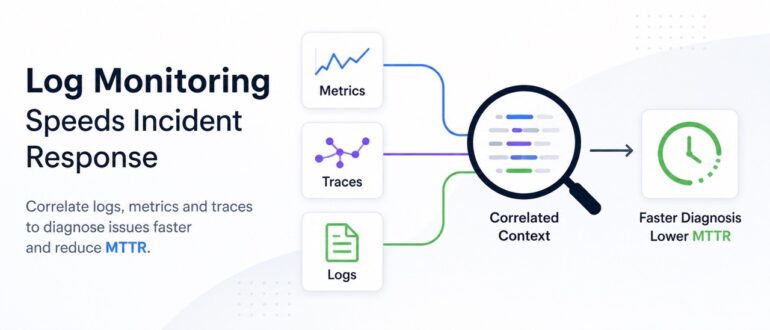
Modern engineering teams have invested heavily in observability. Dashboards are populated, alerts are configured, on-call rotations are set. Yet when production incidents occur, the average time to resolution hasn’t dropped […]
From Reactive Monitoring to AI-Driven Operational Intelligence

Traditional monitoring often meant chasing alerts and toggling between dashboards after an issue had already impacted users. AWS CloudWatch — long the backbone of metrics, logs and traces on AWS […]
On-Call: The Silent Force Shaping Engineering Culture

There is a silent force shaping engineering culture inside every technology organization. It affects productivity, team morale, psychological safety, and long-term retention. And yet, it is rarely discussed in executive […]
The Five Biggest Mistakes Organizations Make When Implementing SRE

From cargo-culting Google’s playbook to rushing AI-powered observability into production before the fundamentals are in place, here’s where SRE transformations quietly go wrong, and how to course-correct.
AIOps Isn’t Optional Anymore: What Modern DevOps Teams Must Adapt To

AIOps is becoming essential for DevOps teams, enabling faster incident response, less alert noise and improved reliability at scale.
AI Agents in DevOps: Hype vs. Reality in Production Pipelines

The demos look super cool! An AI agent detects a failing deployment, rolls it back, opens a GitHub issue, and notifies Slack — all before the on-call engineer has finished […]
When Customer-Facing Systems Fail: How Incident Response and Observability Reduce MTTR

In a world of microservices and real-time interactions, MTTR is the ultimate metric for brand protection. Learn how observability and resilient architecture drive faster incident response.
How We Got Here: Alert Fatigue to Decision Fatigue

AI and observability reduced alert fatigue, but decision fatigue remains. Decision architecture helps DevOps teams scale operational judgment.
- 1
- 2
- 3
- …
- 7
- Next Page »